
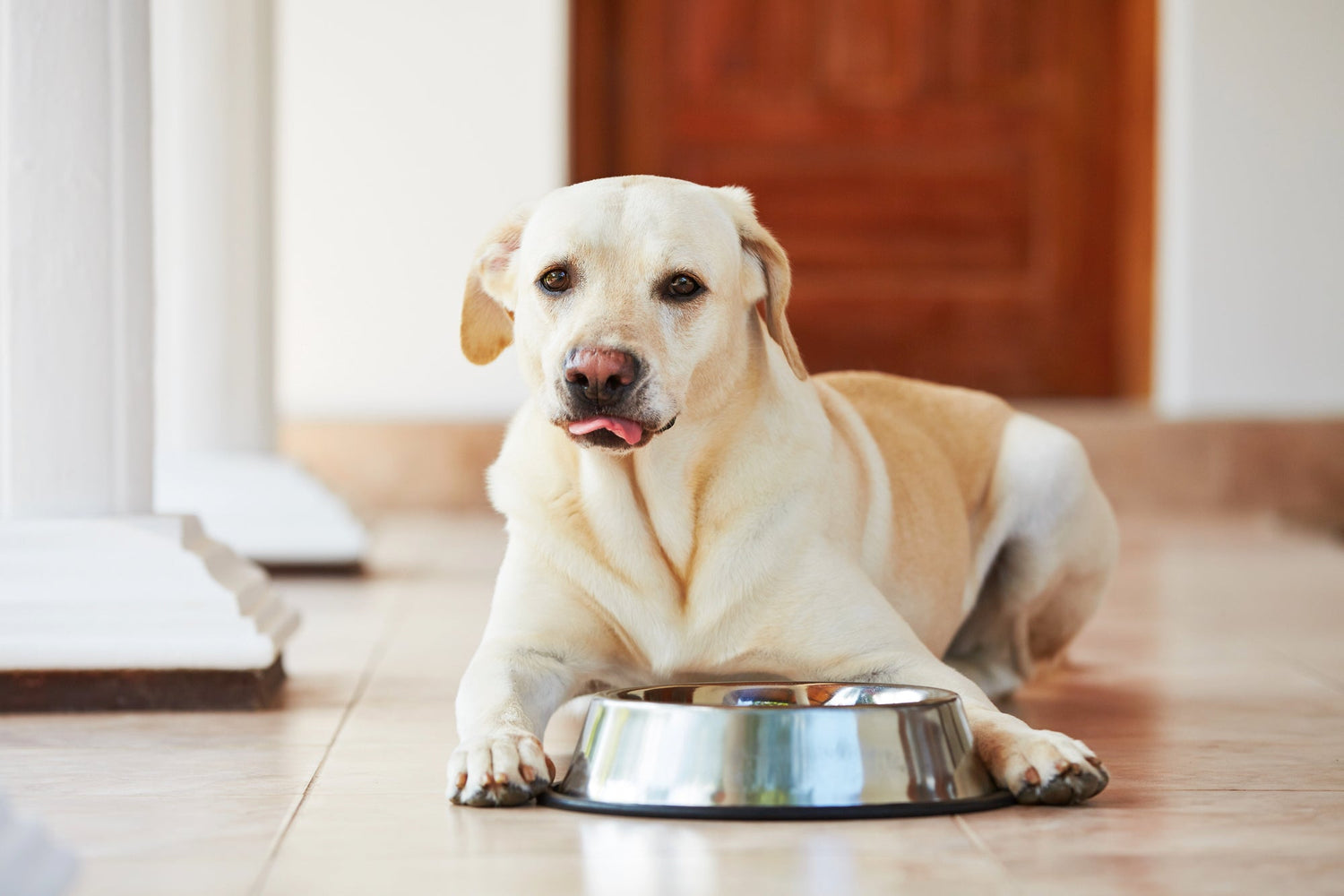
One day, they’re licking the bowl clean. The next? They’re walking away mid-meal like it never happened. Sound familiar?
It’s a frustrating cycle for many pet parents: your dog or cat eats perfectly for a few days—then suddenly turns into a fussy eater.
But it’s rarely about “being difficult.” In most cases, your pet is reacting to something their body (or instincts) is telling them.

At Woof N’ Whisker, we know that food refusal is a form of communication. And often, the fix lies not in what you're feeding, but in how their body is responding to it.
Here’s why it happens, and what you can do about it.
1. Digestive Upset That Builds Quietly
Some pets tolerate low-quality ingredients for a while until their systems hit a wall. Fillers, synthetic additives, or hard-to-digest proteins can quietly cause inflammation or gut imbalance.
💡 Their appetite dips as their body tries to avoid the discomfort.
Our gently cooked flakes are free from fillers and artificial extras, making them ideal for pets with sensitive tummies or fluctuating appetites.
2. Food Fatigue: Same Meal, Every Day
Pets can get bored, just like us. If they’ve been eating the same food day in, day out, they may simply lose interest. Variety in texture, aroma, and flavour can make a significant difference.

💡 Try rotating proteins or adding a topper like Balance Flake or Purfect Flake to revive their interest, without needing to overhaul the whole diet.
3. Hormonal Changes or Stress
Subtle shifts in environment, routine, or even weather can affect your pet’s appetite. Stress, anxiety, or hormonal changes (like heat cycles or ageing) can cause them to temporarily refuse meals.
💡 Keep mealtimes predictable and calm. Adding warm, aromatic toppers can help gently stimulate appetite during off days.
4. Dental Discomfort or Physical Pain
If your pet’s suddenly refusing food they normally love, take a moment to check:
-
Are they chewing on one side?
-
Dropping food from their mouth?
-
Eating slower than usual?
Dental pain, joint discomfort, or early arthritis can lead to food avoidance, especially of hard textures.

Our soft, easy-to-chew flakes are gentle on mouths and ideal for ageing pets or those recovering from illness.
5. Too Many Treats Between Meals
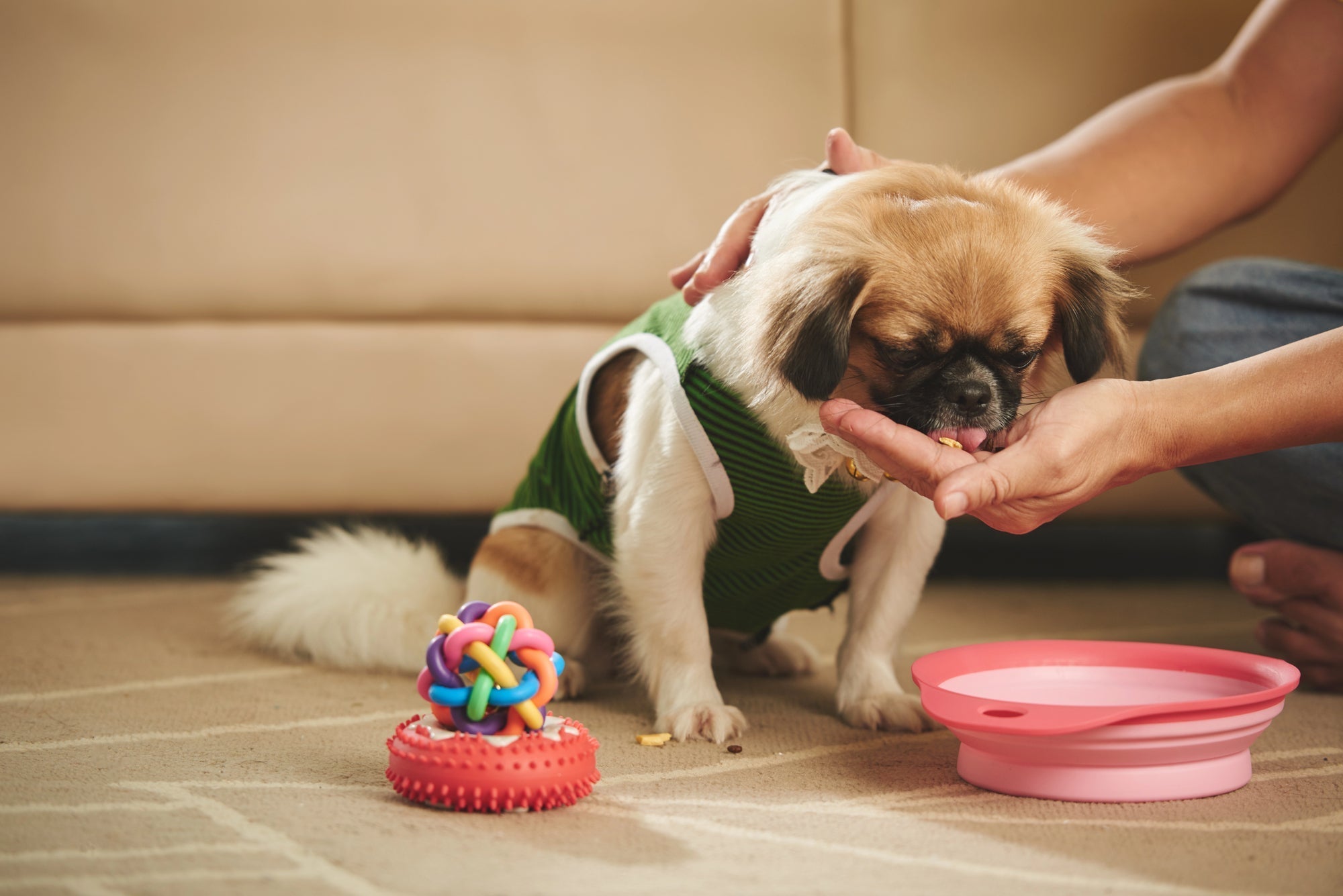
It’s easy to spoil our pets with extras, but those snacks can suppress hunger come dinnertime. High-value treats or table scraps can also make their regular food seem... boring.
💡 Keep treats in check and make their main meal the most exciting part of the day—nutritionally and flavour-wise.
When in Doubt, Keep It Real
If your pet is going hot and cold on food, start with what you can control: the quality of the ingredients.

Highly processed meals often lead to inconsistent appetites, while real food, gently prepared and free from fluff, tends to bring balance back to the bowl.

Leave a comment
This site is protected by hCaptcha and the hCaptcha Privacy Policy and Terms of Service apply.