
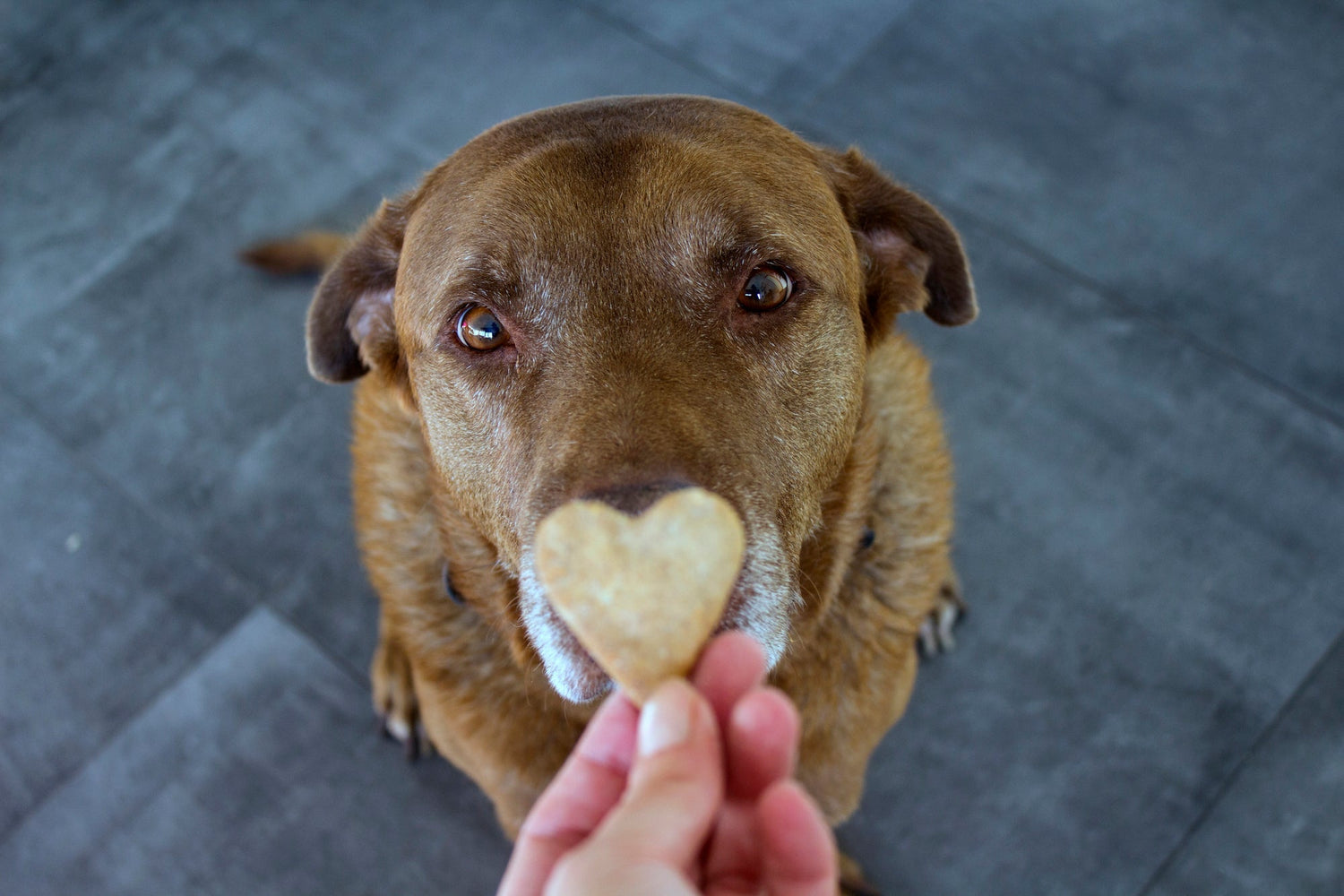
Training isn’t just about commands—it’s about communication, trust, and consistency. And one of the most powerful tools you have? Food.
But not all rewards are created equal. What you use—and how you use it—can shape your pet’s behaviour, motivation, and even their long-term health.
At Woof N’ Whisker, we believe rewards should do more than excite—they should nourish, support, and reinforce positive habits without compromising your pet’s wellbeing.
Here’s how to use food effectively in training.

1. Choose High-Value, Real Food Rewards
When you’re teaching something new or reinforcing good behaviour, the reward needs to be worth it. Highly processed treats may grab attention, but they often come with fillers, additives, and empty calories.
💡 Better option:
Use real, nutrient-dense food like small amounts of Balance Flake or Purfect Flake. They’re naturally aromatic, easy to portion, and packed with functional benefits.
2. Keep Portions Small (But Meaningful)
Training often involves repetition, so rewards can add up quickly. The key is to keep portions tiny but impactful.
-
Think “sprinkle,” not “snack”
-
Break rewards into small pieces or flakes
-
Adjust main meals slightly to balance intake
This way, you’re reinforcing behaviour without overfeeding.
3. Time It Right
Timing is everything in training. Your pet needs to associate the reward with the exact behaviour you want to reinforce.
💡 Reward immediately after the desired action—within seconds.
This builds a clear connection and speeds up learning.
4. Use Food to Build Positive Associations

Food isn’t just for commands—it’s also a powerful tool for emotional training.
You can use it to:
-
Reduce anxiety around new environments
-
Build confidence in shy pets
-
Create positive experiences during grooming, vet visits, or socialisation
A familiar, high-quality food reward can turn stressful moments into manageable ones.
5. Transition from Constant to Occasional Rewards
Once your pet understands a behaviour, you don’t need to reward every single time. Gradually shift to:
-
Intermittent rewards
-
Verbal praise or affection
-
Occasional high-value treats to reinforce consistency
This keeps your pet engaged without becoming dependent on food.
6. Keep Rewards Clean and Functional
If you’re using food daily for training, it should contribute to your pet’s health—not detract from it.
At Woof N’ Whisker, our flakes are:
-
Single-ingredient
-
Filler-free
-
Gently cooked for digestibility
So every reward supports skin, coat, joints, and gut health—while reinforcing behaviour.
Train Smart. Reward Better.

Food is one of the simplest ways to connect with your pet—but when used thoughtfully, it becomes a powerful tool for shaping behaviour and building trust.
By choosing real, functional rewards, you’re not just training your pet—you’re supporting their health with every interaction.



Leave a comment
This site is protected by hCaptcha and the hCaptcha Privacy Policy and Terms of Service apply.