
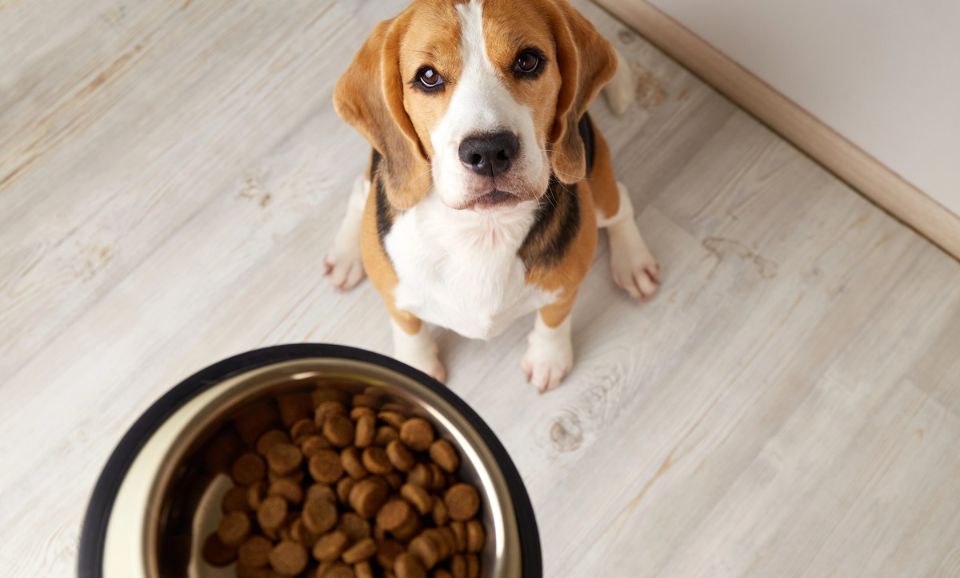
Is your pet suddenly skipping meals? Wolfing down food too fast? Only eating when you’re nearby? These behaviours often aren’t just about the food. They’re little signals about how your pet is feeling in their environment.

At Woof N’ Whisker, we believe food is only part of the wellness picture. How and when your pet eats can offer insight into their emotional state, comfort level, and stress triggers, and adjusting the environment may be just as important as what’s in the bowl.
Here’s what your pet’s eating habits might be telling you.
1. Skipping Meals Could Mean Discomfort or Stress
If your dog or cat is suddenly ignoring food they previously loved, it might not be fussiness. It might be tension in their environment.
Loud noises, unfamiliar guests, a change in routine, or tension with other pets can all suppress appetite.
💡 Try offering meals in a quiet, low-traffic spot. Keep feeding times consistent and relaxed. For nervous eaters, warming food or adding gentle toppers like Balance Flake or Purfect Flake can reintroduce comfort and interest.
2. Fast Eating May Signal Competition or Insecurity
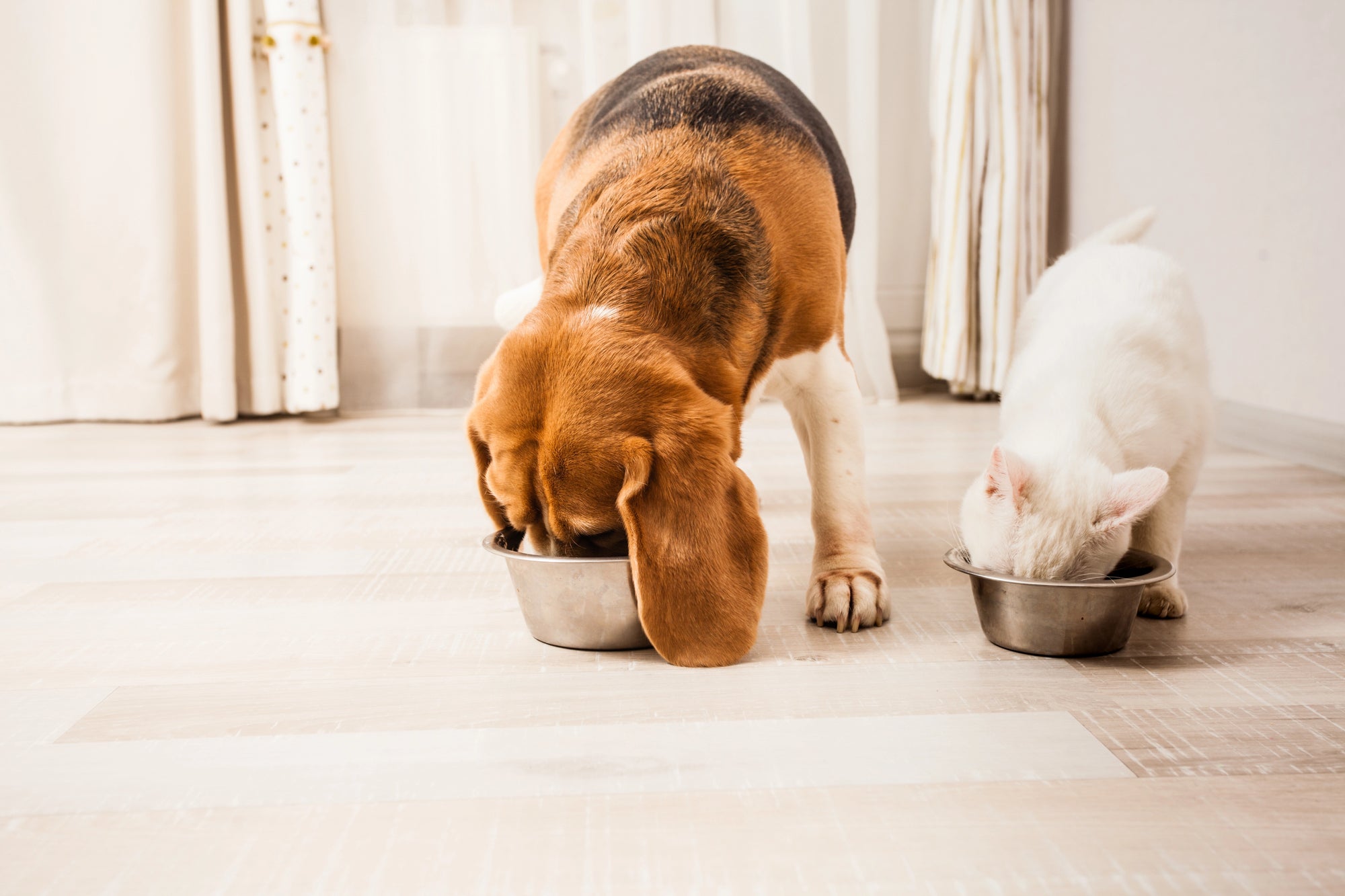
If your pet eats as if it’s a race, they may feel pressure, especially in multi-pet homes. This often comes from a past of resource competition or simply from an overstimulating environment.

💡 Offer meals separately from other pets. Use slow feeders or lick mats to encourage calm eating. Reassure them with space and routine.
3. Only Eating When You’re Around? That’s Attachment
Some pets refuse to eat unless their favourite human is nearby. This can reflect a strong emotional bond—but also dependence or anxiety when alone.
💡 Try feeding at the same time you eat, or give verbal reassurance from a distance. Choose high-aroma, palatable food that encourages independent eating, like our gently cooked flakes.
4. Sniffing Then Walking Away = Something Feels Off
If your pet investigates food but doesn’t eat, they may be detecting subtle changes—in their environment or their body. Sensitive pets can pick up on stress, temperature shifts, or even illness before symptoms appear.

💡 Observe patterns. If it’s recurring, rule out dental or gut issues. If it’s environmental, try feeding in a different location or adjusting mealtime routines.
5. Grazing or Picking at Food May Reflect Overstimulation
Pets that eat a little, walk away, then return later may be distracted—or unsettled. This can happen when the feeding area is too busy, noisy, or close to other pets, kids, or high-traffic zones.
💡 Create a designated feeding area where your pet can eat in peace. Keep it predictable, clean, and calm to promote better focus and satisfaction.
Your Pet’s Bowl Reflects More Than Just Hunger
Eating habits are a window into your pet’s relationship with their world. By noticing subtle shifts and adjusting their feeding environment, you can support not just nutrition—but confidence, comfort, and overall wellbeing.

✨ Support better eating behaviour with gently prepared, pet-approved food →

Leave a comment
This site is protected by hCaptcha and the hCaptcha Privacy Policy and Terms of Service apply.