
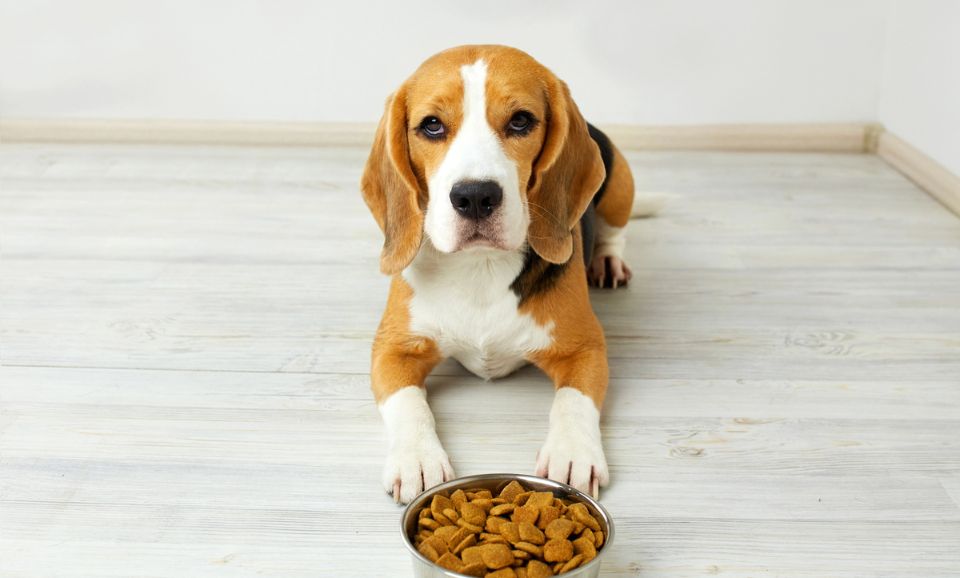
Is your dog turning away from their bowl? Sniffing and walking off? Or is it just that they no longer eat with the same enthusiasm they used to? Don’t panic. Loss of appetite is common, and often it’s your dog’s way of telling you something isn’t quite right.
At Woof N’ Whisker, we’ve helped many pups rediscover the joy of mealtimes, starting with what’s in the bowl and why it matters. Here's what might be going on and how to help your furry friend fall back in love with food again.
1. They’re Bored With the Same Old Meals
Imagine eating the same dry biscuit every day. No wonder dogs get bored, too. Many commercial foods don’t offer much variety in flavour or texture.
What to try:
-
Add a flavour-rich topper like our Balance Flake (for dogs)
-
Rotate proteins or introduce warm water or broth to boost aroma
-
Switch up mealtime with puzzle feeders or lick mats for enrichment

Variety doesn’t have to mean a full diet change. It can start with a sprinkle of something new.
2. They're Experiencing Digestive Discomfort
If your dog’s food is hard to digest or contains common irritants, they may start avoiding it to prevent discomfort, even if they’re hungry.
Watch for:
-
Gas or bloating
-
Licking lips after eating
-
Grass eating or skipping meals
Our flakes are gently cooked and made from human-grade, single-ingredient sources to support digestion and ease gut strain, making them ideal for sensitive bellies.
3. Stress or Environmental Changes
Dogs are creatures of habit. Changes at home, such as the arrival of new pets, loud noises, travel, or even changes in weather, can throw them off. Anxiety often shows up as reduced appetite.
Support them by:
-
Keeping mealtimes calm and consistent
-
Offering comfort and familiarity (like their favourite feeding spot)
-
Using aromatic, lightly cooked food to stimulate interest

Food that smells real and feels safe can help settle nerves and encourage eating.
4. Ageing or Health Shifts
As dogs age, their sense of smell may fade, dental pain can develop, and they may require easier-to-chew, more palatable meals. Even young dogs can develop food fatigue if the food doesn’t match their energy needs.
Look for:
-
Slower eating or chewing on one side
-
Weight loss
-
Low energy or dull coat
Real, nutrient-dense additions like sardine or tuna flakes can reignite interest while supporting overall wellbeing.
5. Too Many Treats (and Not Enough Balance)
We love spoiling our dogs, but too many snacks can disrupt their appetite for actual meals. If treats are richer or more flavourful than their dinner, the bowl might lose appeal.
Try:
-
Reducing filler treats
-
Using real food like Balance Flake as a training reward and meal booster
-
Re-establishing structured mealtimes

Food should be both nutritious and exciting without overloading the system.
Final Woof
When your dog loses interest in food, it’s not about being “picky.” It’s about how the food makes them feel. Real ingredients, rich aromas, and gentle preparation can transform mealtimes from frustrating to fulfilling.
At Woof N’ Whisker, we make food toppers that do more than flavour. They nourish, support, and entice with every bite.
🐶 Bring joy back to the bowl → Shop Balance Flake

Leave a comment
This site is protected by hCaptcha and the hCaptcha Privacy Policy and Terms of Service apply.