
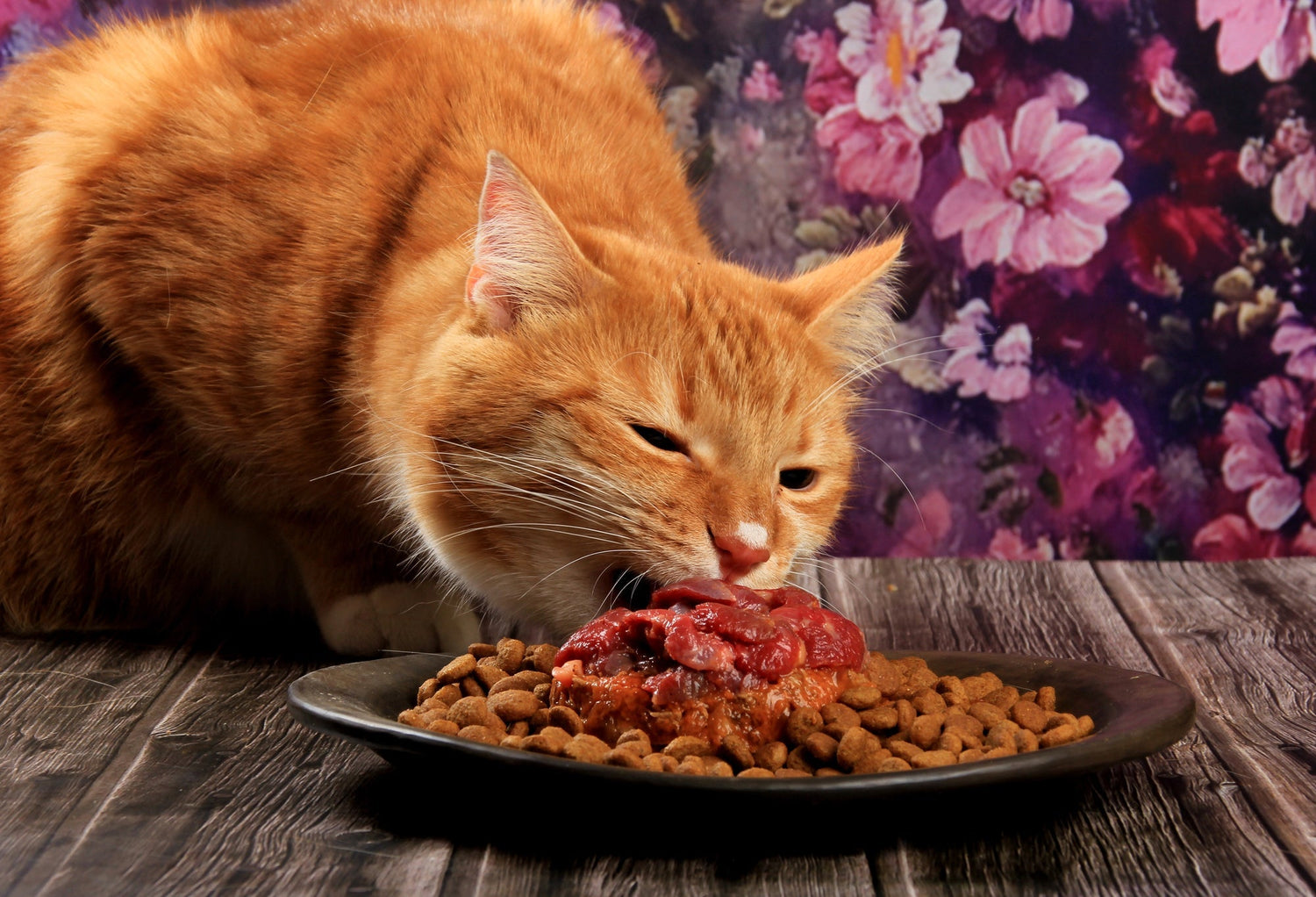
Switching to fresh food is one of the best things you can do for your pet—but like any change, it comes with a learning curve. Many pet parents jump in with good intentions, only to run into issues that could’ve easily been avoided.
At Woof N’ Whisker, we’re all about making the transition simple, gentle, and sustainable. Because fresh feeding shouldn’t feel complicated—it should feel like a natural upgrade.
Here are the most common mistakes first-time fresh food buyers make—and how to get it right from the start.
1. Switching Too Quickly
It’s tempting to go all-in straight away—but sudden changes can upset your pet’s stomach.
What happens:
-
Loose stools
-
Bloating
-
Food refusal

💡 Always transition gradually over 7–10 days. Start small and build up—your pet’s gut needs time to adjust.
2. Overfeeding “Because It’s Healthier”
Fresh food feels lighter and healthier, so it’s easy to accidentally serve too much.
What happens:
-
Weight gain
-
Digestive overload
-
Imbalanced meals
💡 Focus on portion control and nutrient density, not just volume. A little of the right food goes a long way.
3. Changing Too Many Things at Once
New food, new treats, new routine—all at once? That can overwhelm your pet’s system.
What happens:
-
Hard-to-track reactions
-
Increased sensitivity
-
Confusion around feeding habits

💡 Keep everything else consistent while introducing fresh food. Change one variable at a time.
4. Ignoring Texture and Temperature
Fresh food behaves differently to dry kibble. Some pets may hesitate if the texture or temperature feels unfamiliar.
What happens:
-
Sniffing and walking away
-
Slow or hesitant eating
💡 Try slightly warming meals or adding a topper like Balance Flake or Purfect Flake to enhance aroma and familiarity.
5. Expecting Instant Results
While some pets respond quickly, others take time to show visible improvements.
What happens:
-
Giving up too early
-
Switching foods again too soon

💡 Give it time. Look for gradual changes in digestion, coat, energy, and appetite over a few weeks—not overnight.
6. Overcomplicating the Process
Fresh feeding doesn’t need to be perfect or all-or-nothing. Trying to “build the perfect bowl” from day one can lead to stress and inconsistency.
💡 Start simple:
-
Keep a consistent base
-
Add functional toppers for support
-
Adjust gradually based on your pet’s response
That’s exactly why Woof N’ Whisker flakes exist—to make fresh feeding easier, not harder.
Start Simple. Stay Consistent.
Fresh food isn’t about doing everything perfectly—it’s about doing better, consistently. When you take a gentle, balanced approach, your pet’s body has the space to adjust, respond, and thrive.

Leave a comment
This site is protected by hCaptcha and the hCaptcha Privacy Policy and Terms of Service apply.